Our system offers a complete and authentic style of Chinese Kung Fu. It blends long-range and short-range methods, and it develops both the body and the mind. Because of this, students gain a balanced martial foundation built around:
-
punching
-
kicking
-
locking
-
throwing
-
and acupuncture-point striking
We teach each part step by step. This traditional approach supports beginners while still challenging experienced practitioners. It is ideal for anyone wanting to study a genuine Chinese martial art in the traditional way.
Basic Training
Developing Flexibility and Strength
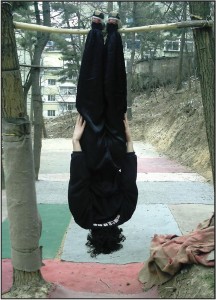
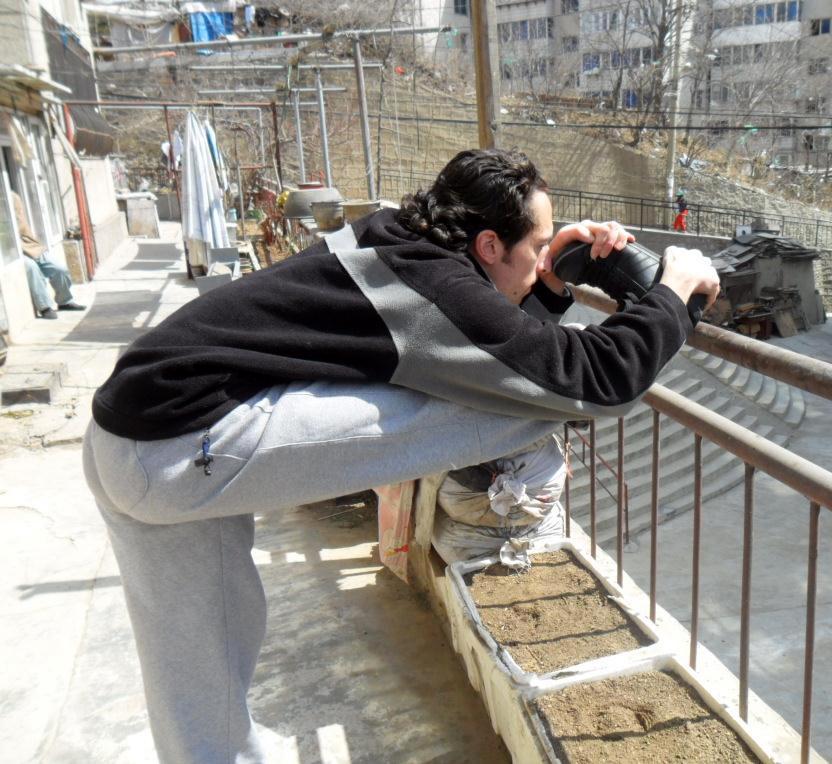
Training begins with exercises that loosen the waist and strengthen the legs. Students stretch the muscles and tendons to increase flexibility. Over time, this improves joint mobility and overall speed. It also reduces the chance of injury, which helps students train with confidence.
Learning Kicking Techniques
Next, students explore Tuifa, the unique kicking methods of Seven Stars Praying Mantis. These include the “24 continuous mandarin duck kicks” and the “36 hidden kicks.” Techniques such as Tantui, Shizi tui, Gua tui, Furen jiao and Yuanyang jiao are introduced gradually. As students improve, so does their coordination, balance, power and control. They also begin learning how these kicks work in real applications.
Building Root and Stability
As training progresses, students learn Zhuanggong — the stake-standing practice. These postures develop deep leg strength and a steady root. Although this training can feel demanding, it builds a powerful foundation for the entire system. Furthermore, it supports the development of internal energy and stillness.
Forms Training
Understanding Forms
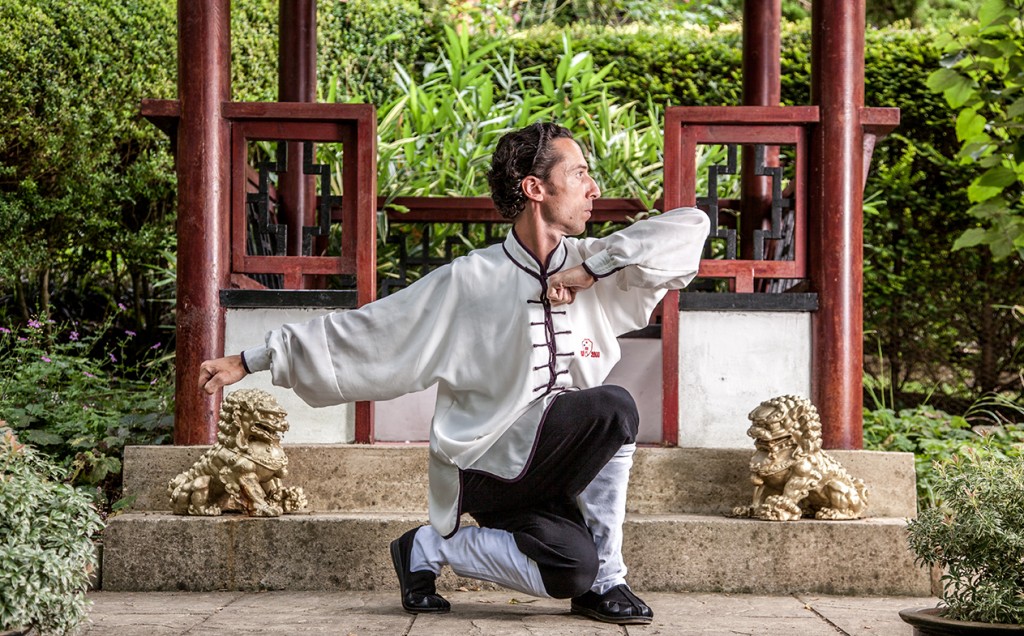
Forms link techniques together in smooth and continuous sequences. They improve balance, stamina, strength and focus. More importantly, every movement contains fighting applications. When students learn forms, they also learn strategy.
Types of Forms
Seven Stars Praying Mantis forms fall into three categories:
-
forms that emphasize firmness
-
forms that emphasize flexibility
-
and forms that blend both
Each form teaches a different method suited to different opponents. For example, against a stronger opponent we rely on flexible techniques rather than force. Against a smaller opponent, we may use more direct attacks. Through consistent practice, students gain a complete understanding of the system’s theories.
Partner Work
Students also learn two-person hand forms. These develop timing, sensitivity and awareness. They also prepare students for later sparring practice.
Weapons Training
Introducing Weapon Skills
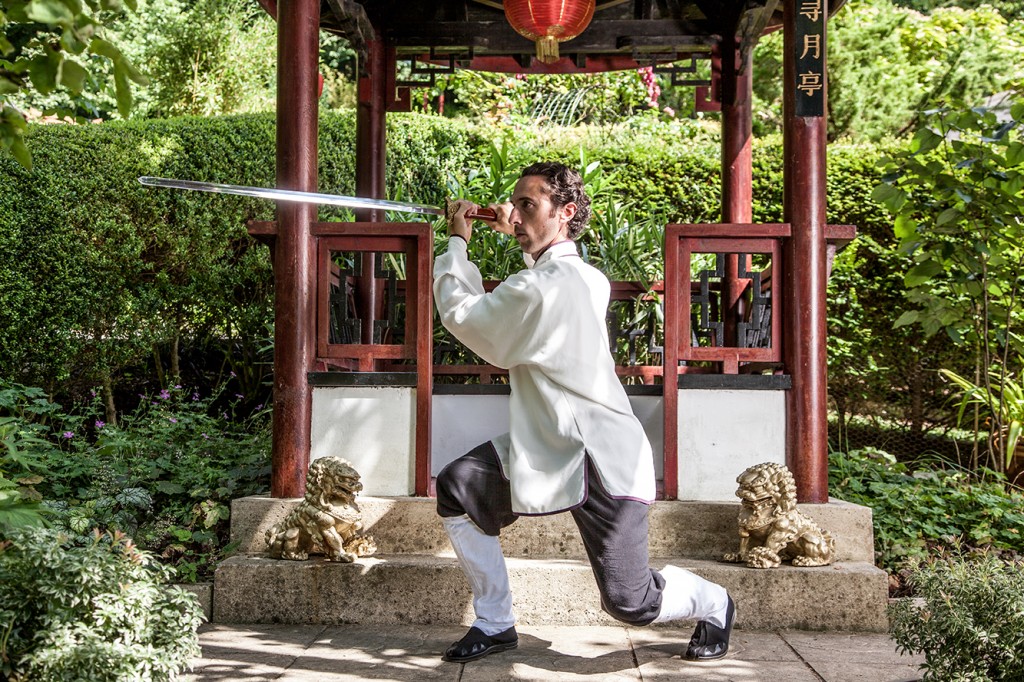
Weapons extend our natural range and enhance coordination, strength and focus. Before learning them, students must build a solid foundation in basic training. Each weapon has its own unique principles and methods.
Types of Weapons
Traditional weapons fall into four main groups:
-
long weapons (staff, spear, pike, long spear)
-
short weapons (broadsword, straight sword)
-
flexible weapons (two-section staff, sweepers)
-
twin weapons (used in pairs, such as double hooks)
As students progress, weapon forms become more complex. Later, two-person weapon sparring forms further refine skill and control. Training with long pole (Da gan) and long spear (Da qiang) provides the core of all weapon strategies.
Mantis Hard Qigong
Strengthening the Body from Within
Qigong develops internal energy through posture, breathing and gentle movement. Its simplicity makes it suitable for everyone, including those recovering from injury. Beyond physical health, it supports focus, calmness and resilience.
Benefits of Hard Qigong
-
increased strength and flexibility
-
improved circulation
-
stronger bones
-
faster healing
-
higher energy levels
-
better concentration, balance and stamina
These practices support both martial development and long-term wellbeing.
Yangsheng Exercises
Maintaining Health and Preventing Illness
Taoist Yangsheng Gong uses self-massage and breathwork to activate the body’s natural healing response. Students may practise these exercises in the morning or evening. Because they can be done seated, they suit the elderly and those with limited mobility.
Dao Yin (Guiding and Stretching)
Dao Yin involves soft stretches, slow movements and mindful breathing. These methods release tension, improve flexibility and help Qi circulate more freely. Some include gentle self-massage to clear blockages and support relaxation.
Benefits of Yangsheng Gong & Dao Yin
-
stronger muscles and joints
-
improved circulation
-
support for recovery and rehabilitation
-
increased stamina and bone density
-
stress relief
-
reduced muscular tension
-
improved posture and mobility
-
enhanced long-term health and longevity
Taoist Meditation
Cultivating Inner Stillness
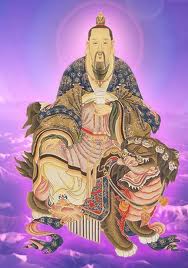
Taoist meditation, or Jingzuo, develops calm awareness. Students may practise sitting, standing or lying down. The eyes rest half-open, and the attention returns gently to the lower abdomen.
Benefits of Meditation
-
reduced blood pressure
-
slower heart rate
-
relief from stress and anxiety
-
improved digestion
-
deeper inner silence
-
enhanced emotional balance
-
long-term health and longevity
Free-Sparring
Learning to Apply Skills
After students build a strong foundation, they may begin free-sparring. Training starts with two-person drills that teach timing, distance and awareness. Although these exercises may feel simple at first, they provide the structure needed for confident sparring.
With and Without Weapons
Students first learn empty-hand sparring. Later, those who wish to advance further may also practice sparring with weapons.